What Changed in 2026
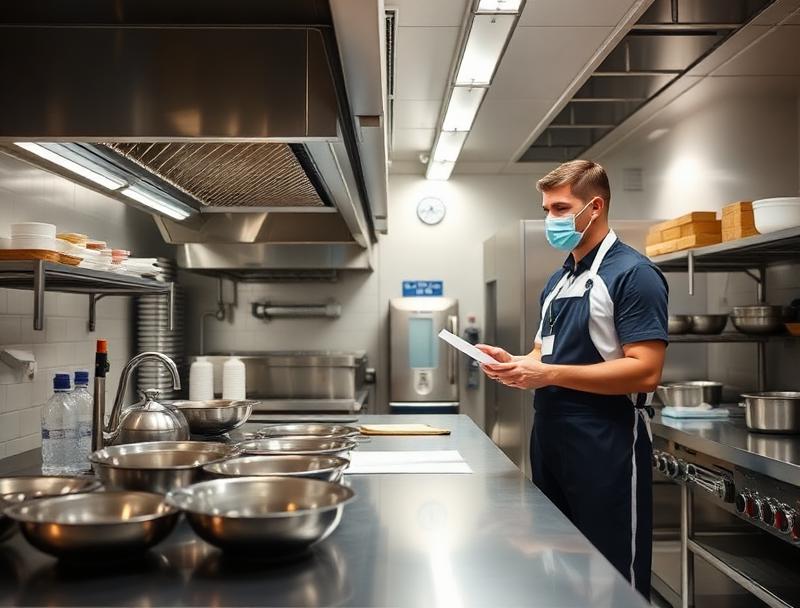
Regulators across the Gulf have aligned with Codex Alimentarius standards more rigorously this year. Inspections now require documented cleaning verification, traceable chemical concentrations, and operator training records.
The biggest shift: manual dosing logs are no longer acceptable in high-risk facilities. Authorities expect digital records from automated dispensing systems.
The Seven HACCP Principles in Practice
Conduct a hazard analysis specific to your menu and workflow
Identify Critical Control Points (CCPs) — typically cooking, cooling, and sanitation
Establish measurable critical limits for each CCP
Implement monitoring procedures with verifiable logs
Define corrective actions when limits are breached
Verify the system through audits and microbiological testing
Maintain comprehensive documentation accessible to inspectors
Why Automated Dosing Wins
Auto-dosing systems like Sterikem's K-Series eliminate the two largest sources of HACCP failure: human error in dilution and inconsistent contact time.
By delivering exact chemical concentrations every cycle, kitchens achieve repeatable sanitation and audit-ready logs without operator intervention.
Share Article
Written by
ralph halabi
Front end Engineer
Need Expert Guidance?
Our technical team can assess your facility and recommend tailored solutions.
Continue Reading
Related Articles